
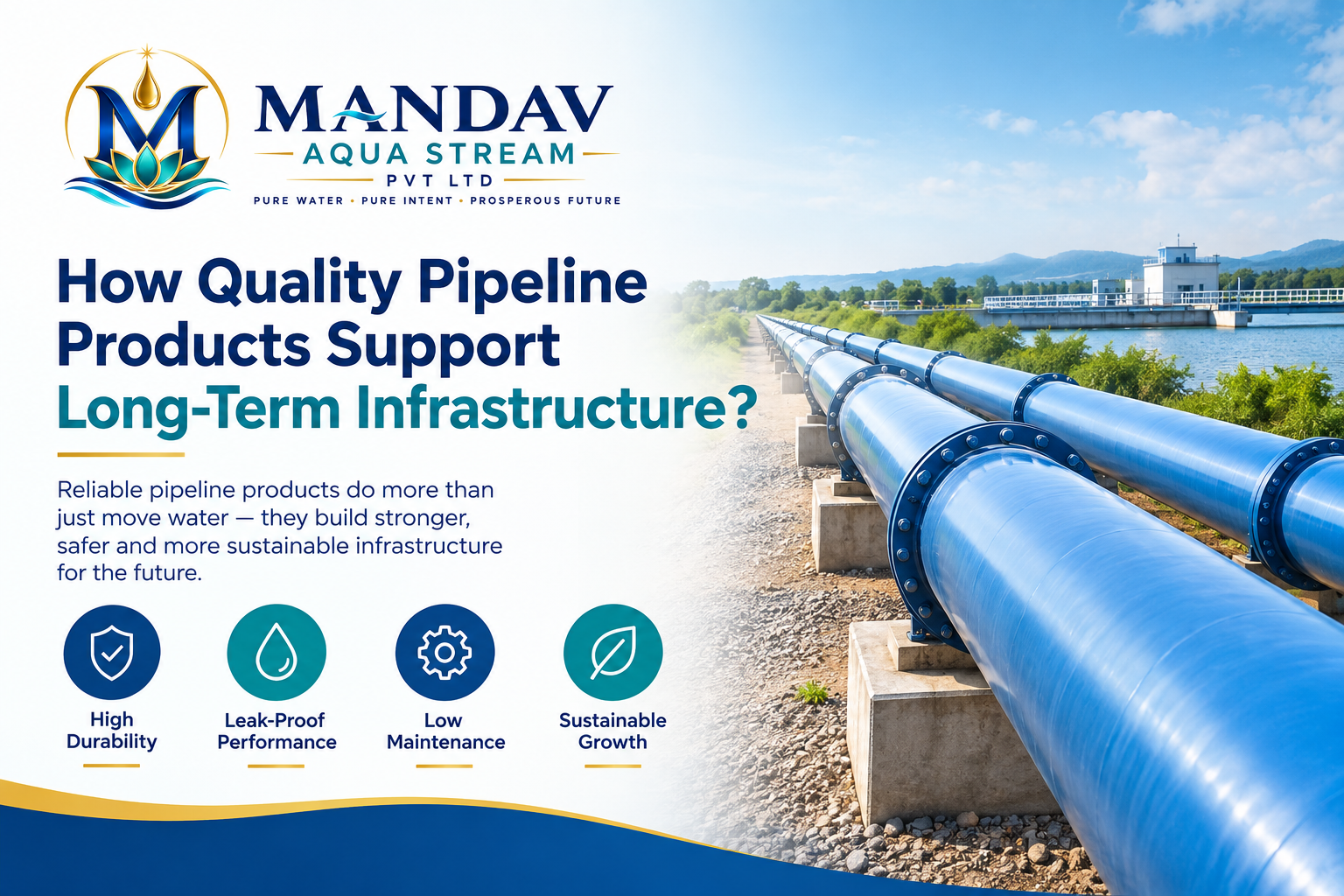
Infrastructure projects are expected to deliver reliable performance for years, making product selection an important part of project planning. Pipeline Products Support Long-Term Infrastructure by helping water, sewage, irrigation, industrial, and utility networks operate reliably under their intended conditions. Pipes, fittings, valves, and related components must work together as a complete system, which means quality, compatibility, specifications, and installation requirements all deserve careful consideration.
A pipeline may remain underground or inside a facility for decades, so replacing a poorly selected component can be expensive and disruptive. Choosing suitable products from the beginning can help project owners manage maintenance requirements, operational reliability, and long-term value.
For infrastructure developers, contractors, consultants, and procurement teams, the objective is not simply to purchase pipes or fittings. It is to select products that match the technical requirements and operating conditions of the complete pipeline system.
Why Pipeline Quality Matters for Infrastructure Projects?
A pipeline network consists of multiple interconnected components. The pipe carries the fluid, fittings help create changes in direction or diameter, and valves control, isolate, or regulate flow. Each component contributes to the overall performance of the system.
If one component does not meet the project’s requirements, it can affect installation, operation, maintenance, or service life. This is why quality should be considered across the complete product range rather than focusing on the pipe alone.
Quality pipeline products can contribute to:
- Reliable fluid transportation
- Secure and compatible connections
- Better flow management
- Reduced risk of premature product failure
- Easier inspection and maintenance
- More predictable project performance
- Better long-term infrastructure value
For large infrastructure projects, these factors become particularly important because repairs can involve excavation, shutdowns, traffic disruption, labour, and additional material costs.
Key Factors Behind Long-Term Pipeline Performance
Long-term performance depends on more than the material used to manufacture a product. Product specifications, pressure requirements, environmental conditions, installation methods, and maintenance practices all influence how a pipeline performs over time.
Material Selection for the Application
Different projects require different pipeline materials. Ductile iron, cast iron, HDPE, PVC, G.I., and M.S. pipes can serve different applications depending on project specifications.
For example, D.I. spun pipes are used for water supply, sewage, irrigation, and industrial applications, while HDPE pipes can be suitable where flexibility, corrosion resistance, and lightweight handling are important.
The right material should therefore be selected according to factors such as:
- Fluid being transported
- Operating pressure
- Temperature
- Soil and environmental conditions
- Installation method
- Expected service requirements
- Applicable technical standards
Strength and Pressure Performance
Pipeline products must be capable of handling the conditions expected during operation. Pressure fluctuations, external loads, hydraulic forces, and installation conditions can place demands on pipes and fittings.
Ductile iron products, for example, are valued for their mechanical strength and pressure-bearing capabilities in demanding pipeline applications. Mandav’s D.I. spun pipes are listed for water supply, sewerage, irrigation, and industrial uses, with different diameters and pressure classes available according to product requirements.
Selecting products according to actual system requirements helps avoid unnecessary performance issues after installation.
Corrosion and Environmental Resistance
Pipelines can operate in environments where moisture, chemicals, soil conditions, abrasion, or weather exposure affect product performance.
Material resistance therefore becomes an important consideration during product selection. HDPE and PVC pipes, for instance, offer corrosion resistance and are used across applications including water supply and irrigation.
For underground infrastructure, the surrounding environment should be evaluated before finalizing the pipeline material and protection requirements.
How Pipes, Fittings and Valves Work Together?
A pipeline is only as dependable as the complete system. Even a high-quality pipe can face operational problems if fittings are incompatible or valves are unsuitable for the application.
| Pipeline Component | Primary Role | Key Selection Considerations |
|---|---|---|
| Pipes | Transport fluids | Material, diameter, pressure and application |
| Fittings | Connect and redirect pipelines | Size, compatibility, design and jointing |
| Valves | Control or isolate flow | Type, pressure rating and operating conditions |
| Specials | Address specific connection needs | Dimensions, configuration and compatibility |
| Joints | Create secure connections | Joint type, sealing and installation method |
D.I. specials manufactured according to IS: 9523, for example, are designed for connections in water supply, sewerage, irrigation, and industrial pipeline systems.
This illustrates why product compatibility is important. Pipes, fittings, and valves should be considered as parts of one engineered network rather than independent purchases.
Standards Help Define Product Requirements
Infrastructure projects often involve detailed technical specifications and applicable standards. These requirements help project teams establish expectations for dimensions, materials, pressure classes, manufacturing, testing, and product performance.
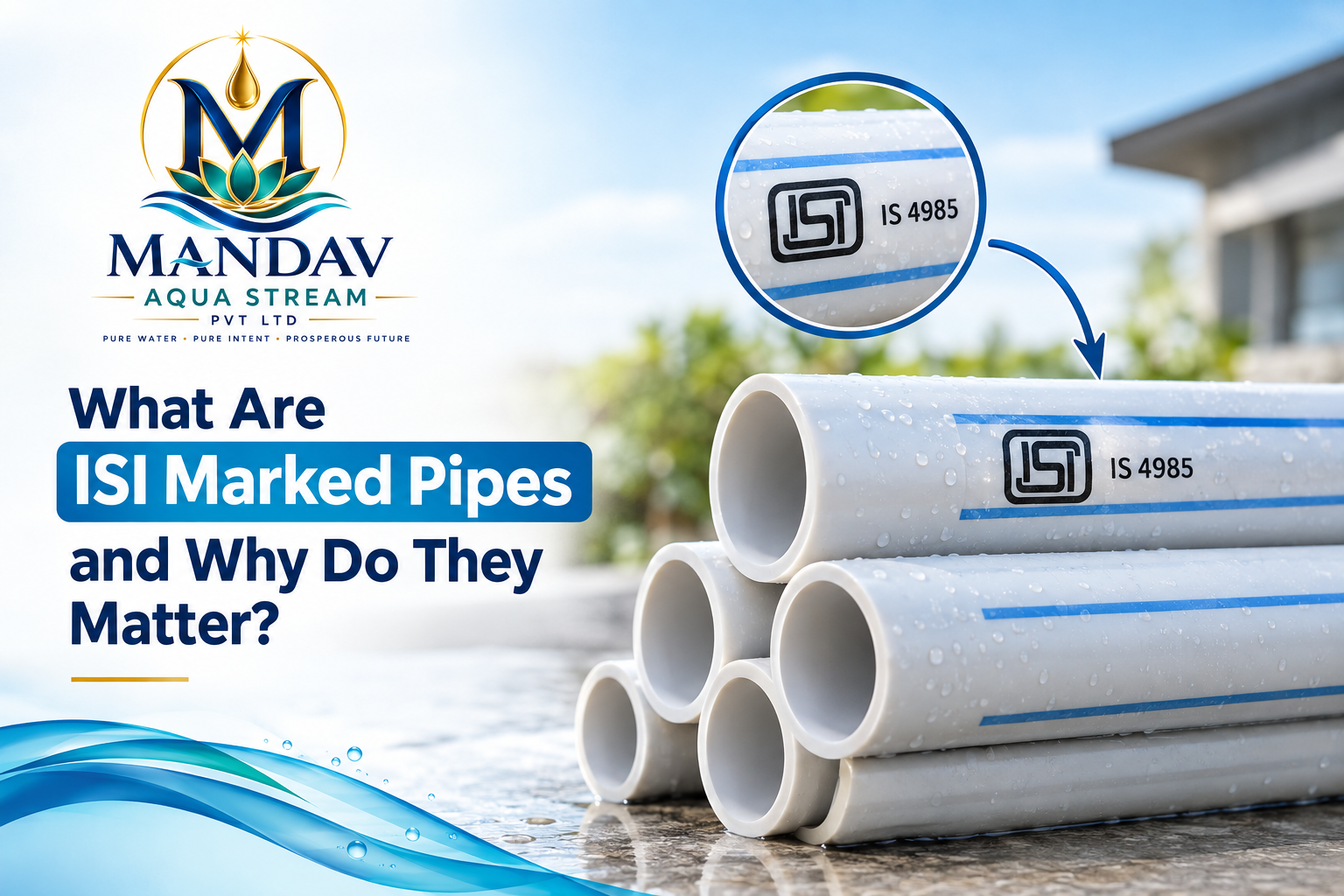
For example, Mandav’s product portfolio includes D.I. spun pipes manufactured according to IS: 8329 and D.I. specials according to IS: 9523, with ISI-marked products listed for applicable ranges.
However, an important point for procurement teams is that the applicable standard should always be checked against the project’s specific specification. A product should not be selected solely because it carries a particular standard reference; its size, pressure class, material, joint type, and other technical requirements must also match the application.
Quality Checks Can Reduce Project Risks
Quality assurance should begin before products reach the project site. Verification during procurement can help identify specification mismatches before they become installation problems.
Mandav Aqua Stream Pvt Ltd. describes a quality process that includes supplier and product evaluation, specification verification, quality inspection, documentation review, packaging and dispatch checks, and customer feedback.
A structured quality process can help procurement teams verify:
- Product dimensions
- Material specifications
- Pressure ratings
- Applicable standards
- Technical documentation
- Product quantity
- Physical condition before dispatch
- Packaging and delivery requirements
This approach is particularly useful for infrastructure projects involving large quantities and multiple product categories.
Better Products Can Support Lower Maintenance Needs
Maintenance is a normal part of infrastructure management, but product quality can influence how frequently corrective intervention is required.
Reliable pipes and fittings can help reduce the likelihood of issues associated with premature deterioration, poor connections, or unsuitable product selection. Similarly, properly specified valves can make isolation and flow-control operations more manageable.
For example, Mandav’s D.I. sluice valves are designed for isolation and flow control in water supply, irrigation, sewerage, and industrial systems, while D.I. butterfly valves are intended for flow regulation and shut-off applications.
The objective is not to eliminate maintenance altogether. Instead, a well-planned system can make maintenance more predictable and manageable throughout the infrastructure’s operating life.
Choosing Products Based on Project Conditions
There is no single pipeline product suitable for every infrastructure application. Selection should begin with the actual requirements of the project.
Before finalizing products, project teams should consider:
Identify the Application and Fluid
Determine whether the system is intended for drinking water, sewage, irrigation, industrial fluids, fire protection, or another application. The transported medium can influence material and product selection.
Check Pressure and Flow Requirements
Pipe diameter and pressure class should correspond to the hydraulic and operational requirements of the system. Valves and fittings should also be compatible with the specified pressure conditions.
Review Installation Conditions
Underground and above-ground installations can present different requirements. Soil conditions, external loads, accessibility, temperature, and available installation space may influence the product choice.
Confirm Product Compatibility
Pipes, fittings, specials, valves, and jointing systems should be compatible in dimensions, materials, connection types, and operating conditions.
Verify Documentation and Standards
Procurement teams should review relevant technical documents, certifications, inspection records, and project specifications before order confirmation.
Quality Supply Supports Reliable Project Execution
Product quality is only one part of successful infrastructure procurement. Consistent supply, documentation, packaging, logistics, and communication can also affect project execution.
A supplier with experience across multiple project requirements can help procurement teams coordinate different product categories and specifications. Mandav Aqua Stream Pvt Ltd. states that it supplies pipeline solutions for water supply, sewerage, irrigation, industrial, municipal, construction, fire protection, and utility applications. The company reports more than 30 years of industry experience, 300+ projects or clients, and supply across 28+ regions.
This type of project-oriented approach can be valuable when a project involves multiple pipe materials, fittings, valves, and technical requirements.
Long-Term Infrastructure Starts with Better Decisions
Infrastructure is built for long-term use, so decisions made during procurement can have consequences well beyond the initial installation.
Pipeline Products Support Long-Term Infrastructure when they are selected according to application requirements, technical specifications, operating conditions, and compatibility. High-quality pipes alone cannot guarantee system performance; fittings, valves, joints, installation, inspection, and maintenance all contribute to the result.
The most effective approach is therefore to evaluate the complete pipeline system rather than choosing individual products based only on initial cost.
For project owners and procurement teams, investing time in specification verification and quality checks can help create pipeline networks that are reliable, maintainable, and suitable for their intended operating conditions.
Choose Reliable Pipeline Products for Your Project
The right pipeline solution begins with understanding your project’s technical and operational requirements. Whether you need pipes, fittings, valves, specials, or other pipeline products, product selection should be supported by appropriate specifications and dependable supply.
Mandav Aqua Stream Pvt Ltd. provides pipeline solutions for water supply, sewage, irrigation, industrial, municipal, construction, and utility applications. Share your project requirements with the team to discuss suitable products, specifications, and supply requirements.
Looking for dependable pipeline products for your next infrastructure project? Contact Mandav Aqua Stream Pvt Ltd. today and discuss your requirements with the team.
Frequently Asked Questions
1. Why are quality pipeline products important?
Quality pipeline products can support reliable operation, secure connections, efficient flow management, and long-term performance when correctly selected for the application’s technical requirements.
2. Which pipeline products are used in infrastructure projects?
Infrastructure projects can use different types of pipes, fittings, specials, valves, and related components. The appropriate products depend on the application, pressure, material requirements, installation conditions, and project specifications.
3. How do pipeline standards help during product selection?
Standards provide defined technical requirements for applicable products. Project teams can use them to verify characteristics such as dimensions, materials, manufacturing requirements, and other specified criteria before procurement.
4. How can quality checks improve pipeline procurement?
Quality checks can help verify specifications, dimensions, materials, pressure ratings, documentation, product condition, packaging, and other requirements before products are dispatched to the project site.
5. What should I consider when choosing pipeline products?
Consider the application, transported fluid, pipe material, pressure and flow requirements, diameter, installation environment, connection type, applicable standards, compatibility, documentation, and supplier capabilities before finalizing products.
