
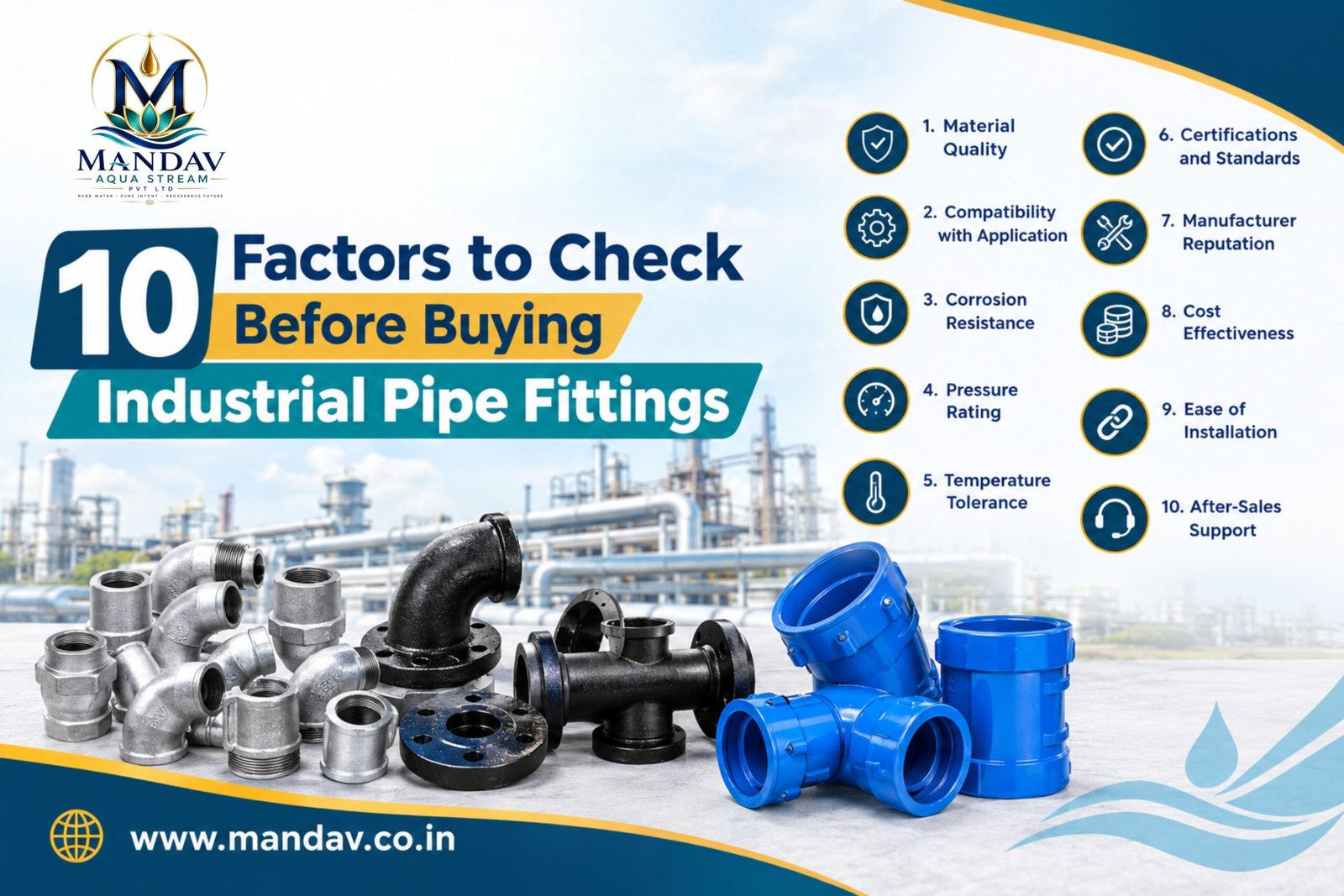
Buying Industrial Pipe Fittings requires more than comparing prices or selecting products based on size. The right fittings must match the pipeline material, pressure requirements, fluid or medium being carried, installation conditions, and long-term application. A suitable choice helps create a secure connection, supports efficient flow, and reduces the risk of leakage or premature failure.
Industrial pipe fittings are used across water supply, sewage, irrigation, manufacturing, processing plants, and infrastructure projects. Because each application has different operating conditions, buyers should evaluate several technical and practical factors before placing an order.
Whether you are sourcing pipe fittings for a new project or replacing existing components, the following ten factors can help you make a more informed decision.
1. Check the Pipe Fitting Material and Compatibility
Material compatibility should be one of the first considerations when selecting pipe fittings. Fittings are available in materials such as ductile iron, cast iron, galvanized iron, stainless steel, HDPE, PVC, and other specialized materials.
The fitting material should be compatible with the pipe and the medium flowing through the system. For example, a fitting used in a water pipeline may have different requirements from one used in an industrial process.
Also consider environmental conditions. Exposure to moisture, chemicals, temperature variations, soil conditions, and corrosive substances can affect material performance.
Choosing compatible materials helps reduce corrosion, joint problems, leakage, and unnecessary maintenance.
2. Confirm the Required Fitting Size and Dimensions
Correct sizing is essential for a properly functioning pipeline. Before purchasing Pipe Fittings, check the pipe’s nominal diameter, outside diameter, wall thickness, connection dimensions, and fitting specifications.
A fitting that does not match the pipe dimensions can create installation difficulties and may compromise the joint.
Common fitting types include:
- Elbows for changing pipeline direction
- Tees for creating branch connections
- Reducers for connecting different pipe sizes
- Couplings for joining pipes
- Flanges for detachable connections
- Cross fittings for multiple branch connections
Always compare the fitting dimensions with the actual pipeline specifications rather than relying only on product names.
3. Evaluate Pressure and Temperature Requirements
Every pipeline operates within specific pressure and temperature conditions. Industrial Pipe Fittings must be capable of handling these operating parameters safely.
Check the fitting’s pressure rating and compare it with the maximum working pressure of your system. If the pipeline experiences pressure fluctuations, water hammer, or other transient conditions, these should also be considered.
Temperature is equally important. Some materials and joint systems perform differently when exposed to high or low temperatures.
For industrial applications, review the manufacturer’s technical specifications and select fittings designed for the actual operating conditions.
4. Select the Right Connection Type for Installation
The connection method can influence installation time, maintenance requirements, and overall pipeline performance.
Depending on the application, fittings may use connections such as:
- Flanged connections
- Threaded connections
- Push-on joints
- Mechanical joints
- Socket connections
- Welded connections
- Fusion-based connections for compatible plastic systems
The connection type should match the pipe material, project design, available installation equipment, and maintenance requirements.
For pipelines that require regular inspection or component replacement, a detachable connection may offer practical advantages. Permanent connections may be more appropriate in other applications.
5. Consider the Application and Flow Requirements
The intended application determines which type of fitting is appropriate. A fitting designed for a water distribution system may not be suitable for every industrial process.
Consider what the pipeline will carry and how the system will operate. Water, wastewater, chemicals, slurry, compressed air, and other media can have different compatibility requirements.
Flow direction and velocity also matter. Poorly selected fittings can create unnecessary turbulence, pressure loss, or restrictions within the pipeline.
For this reason, Pipe Fittings should be selected as part of the overall pipeline design rather than as separate components.
6. Look for Relevant Quality Standards
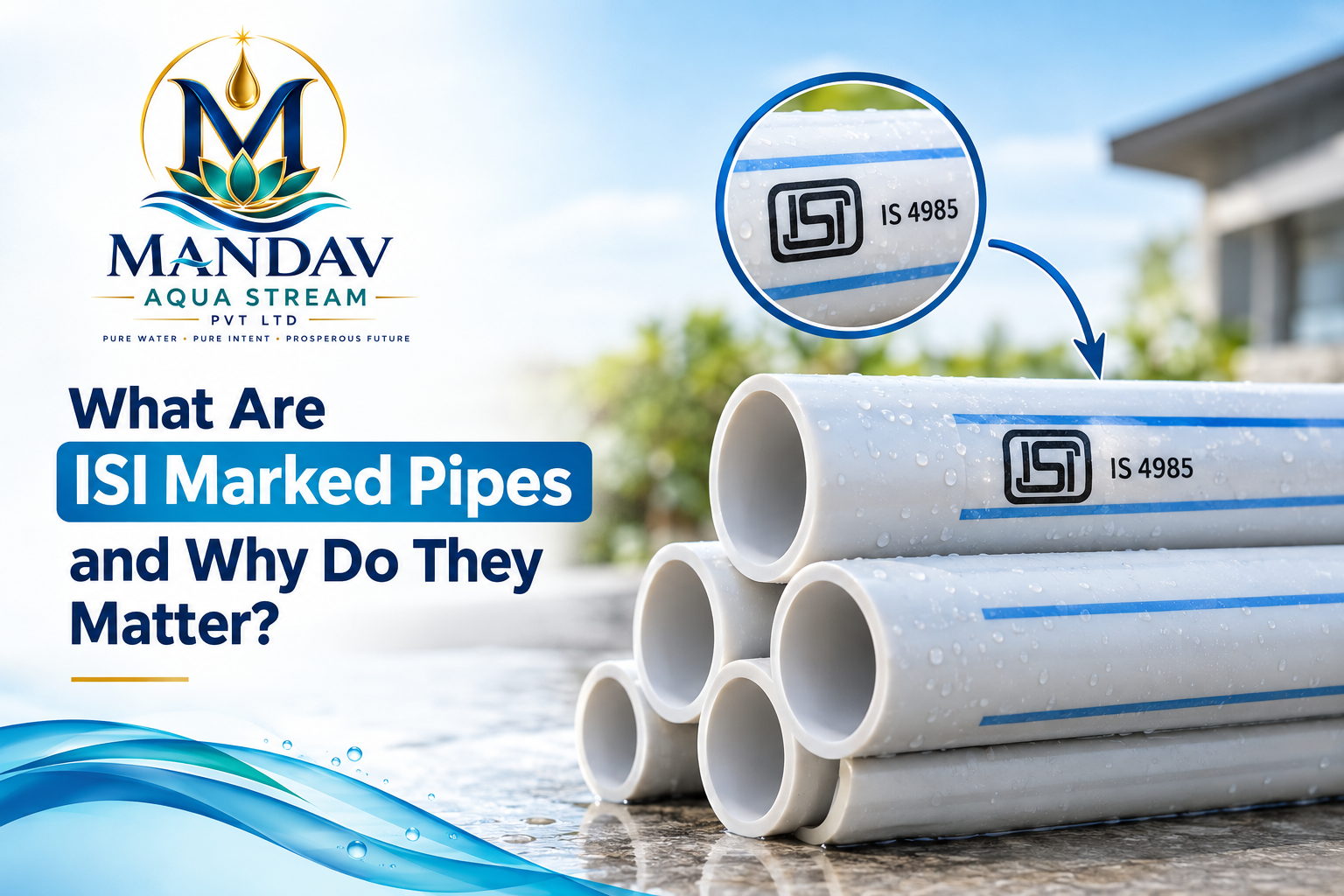
Quality standards provide an important reference when evaluating Industrial Pipe Fittings. Depending on the product and application, relevant national or international standards may specify requirements related to dimensions, materials, pressure performance, testing, and manufacturing quality.
When comparing suppliers, ask about applicable standards and product documentation. Certifications or test reports can provide additional confidence when they are relevant to the project.
However, do not select a product based only on a certification label. The standard should be appropriate for the specific fitting, material, and intended application.
A reliable supplier should also be able to provide clear technical information when requested.
7. Inspect Manufacturing Quality and Finish
Manufacturing quality can directly affect fitting performance. Before purchasing, examine the product for visible defects such as cracks, uneven surfaces, excessive casting marks, damaged threads, poor coating, or dimensional inconsistencies.
For metal fittings, surface protection can be particularly important in environments where corrosion is a concern.
Depending on the product, buyers may also need to consider:
- Wall thickness
- Surface finish
- Dimensional accuracy
- Coating quality
- Joint area quality
- Resistance to corrosion
- Manufacturing consistency
Good-quality manufacturing supports reliable installation and helps the fitting perform consistently throughout its expected service life.
8. Compare Supplier Experience and Product Range
The supplier you choose can be just as important as the fitting itself. An experienced supplier is more likely to understand different pipeline requirements and recommend products based on application rather than simply product availability.
Look for suppliers that offer a suitable range of fittings and related pipeline products. This can make sourcing easier, especially for larger infrastructure or industrial projects requiring multiple components.
Mandav Aqua Stream Pvt Ltd. supplies pipeline products for water supply, sewage, irrigation, industrial, and infrastructure projects, supported by more than 30 years of industry experience.
9. Assess Availability, Lead Time, and Order Quantity
A technically suitable fitting is not useful if it cannot reach the project site when required.
Before placing an order, confirm product availability, manufacturing or procurement lead time, minimum order quantities, and expected delivery schedules.
This becomes especially important for large projects where delays in one pipeline component can affect several other activities.
If you need multiple fitting sizes or types, confirm the complete requirement in advance. Coordinating the order can help reduce supply gaps and simplify project planning.
It is also worth checking whether the supplier can maintain consistent specifications across repeat orders.
10. Compare Total Cost Instead of Price Alone
Price matters, but the lowest initial price does not always represent the lowest overall cost.
When comparing Industrial Pipe Fittings, consider the complete cost of ownership. A cheaper fitting may result in higher installation costs, frequent maintenance, early replacement, or operational problems.
Consider factors such as:
| Cost factor | Why it matters |
|---|---|
| Purchase price | Determines the initial investment |
| Installation | Affects labour and equipment costs |
| Maintenance | Influences ongoing expenses |
| Service life | Impacts replacement frequency |
| Leakage risk | Can increase repair and operational costs |
| Delivery | Delays can affect project schedules |
| Compatibility | Prevents costly installation changes |
A fitting with dependable performance and an appropriate service life can provide better value than a product selected purely on upfront cost.
How to Choose the Right Pipe Fittings for Your Project?
The best fitting depends on the complete pipeline requirement. Start by identifying the pipe material, diameter, pressure, temperature, medium, connection method, and operating environment.
Next, verify the relevant product specifications and quality requirements. If the project involves multiple pipeline sections, prepare a detailed fitting schedule that lists sizes, quantities, connection types, and application areas.
It can also help to discuss the requirements with an experienced supplier before finalizing the purchase. Technical guidance can reduce the risk of selecting an incompatible product or overlooking an important specification.
For large infrastructure and industrial projects, consistency is particularly important. The supplier should be able to support the required quantities while maintaining appropriate product specifications.
Common Mistakes to Avoid When Buying Pipe Fittings
Even experienced buyers can overlook basic details when sourcing pipeline components. Some common mistakes include:
Choosing Fittings Based Only on Price
Low purchase cost may not provide the best value if the product has a short service life or creates installation issues.
Ignoring Pressure Ratings
A fitting must be capable of handling the pipeline’s operating pressure. Selecting the wrong rating can create significant performance and safety concerns.
Mixing Incompatible Materials
Different materials can respond differently to corrosion, temperature, chemicals, and mechanical conditions. Compatibility should always be checked.
Ordering Without Confirming Dimensions
Small dimensional differences can cause installation problems. Always verify the required specifications before ordering.
Failing to Check Delivery Requirements
Project schedules can depend on timely availability. Confirm lead times before finalizing the purchase.
Why Supplier Selection Matters for Long-Term Performance?
A pipeline system depends on the performance of many connected components. Even if the pipes themselves are high quality, unsuitable fittings can affect the reliability of the entire network.
A dependable supplier can help you source compatible products, understand technical specifications, manage larger orders, and maintain consistency across projects.
Mandav Aqua Stream Pvt Ltd. has supplied pipeline solutions across more than 28 regions and has supported 300+ projects or clients. Its product range covers multiple pipeline requirements for infrastructure and industrial applications.
Final Checklist Before Buying Industrial Pipe Fittings
Before confirming your order, review these ten points:
- Material compatibility
- Correct size and dimensions
- Pressure and temperature rating
- Suitable connection type
- Application and flow requirements
- Applicable quality standards
- Manufacturing quality
- Supplier experience and range
- Availability and delivery schedule
- Total cost and expected service life
Taking a few minutes to verify these factors can prevent expensive installation issues and help you select fittings that suit the actual demands of your pipeline system.
If you are planning a water supply, sewage, irrigation, industrial, or infrastructure project, discuss your requirements with an experienced pipeline product supplier. Contact Mandav Aqua Stream Pvt Ltd. to explore suitable industrial pipe fittings and pipeline solutions for your project.
Frequently Asked Questions
1. What are industrial pipe fittings used for?
Industrial pipe fittings connect, redirect, branch, reduce, or terminate pipelines. They are commonly used in water supply, sewage, irrigation, industrial processing, and infrastructure systems.
2. How do I choose the right pipe fitting size?
Check the pipe diameter, dimensions, connection type, and project specifications. The fitting should match the pipe and provide the required connection without restricting the intended flow.
3. Which material is best for industrial pipe fittings?
There is no single material that is best for every application. The appropriate choice depends on the pipe material, pressure, temperature, transported medium, corrosion conditions, and installation requirements.
4. What should I check before buying pipe fittings in India?
Check material, dimensions, pressure rating, connection type, applicable standards, manufacturing quality, supplier experience, availability, delivery time, and total cost before purchasing Pipe Fittings in India.
5. Why is supplier experience important when buying pipe fittings?
An experienced supplier can provide a wider product range, clearer technical information, consistent supply, and support for different pipeline applications. This can make procurement easier and help reduce compatibility or sourcing issues.
