
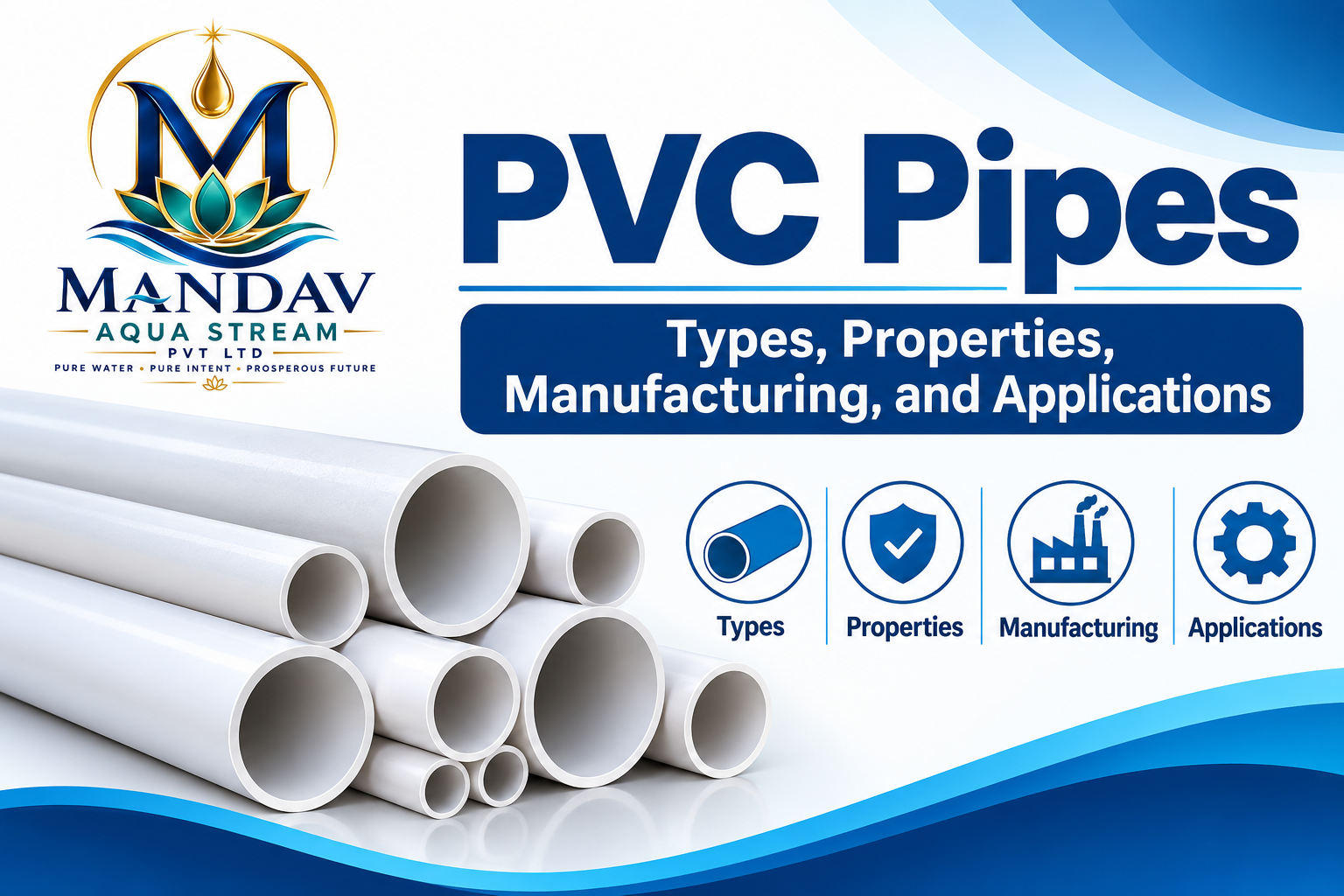
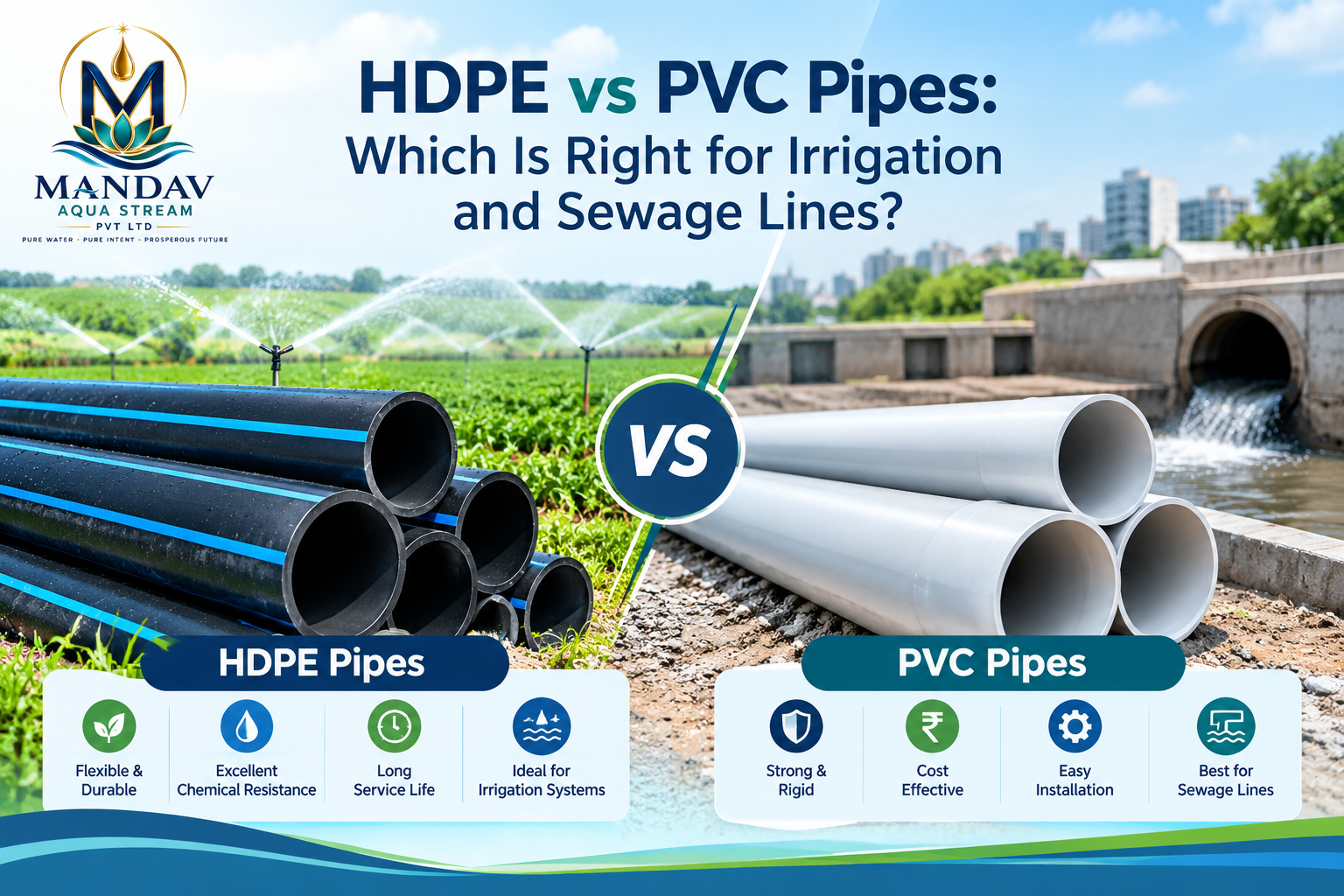
PVC pipes are widely used in water supply, drainage, agriculture and infrastructure projects because they offer a practical combination of durability, corrosion resistance and easy installation. From carrying drinking water to managing wastewater, these pipes support everyday systems that often go unnoticed. However, not every PVC pipe is designed for the same purpose. Its material composition, dimensions, pressure rating and manufacturing quality all influence where it can be used.
Understanding how PVC pipes are made, the types available and the factors that affect their performance can help buyers, contractors and project planners make better decisions. Whether you are selecting pipes for a residential building, an agricultural network or a large infrastructure project, knowing the basics can prevent costly mistakes later.
What Are PVC Pipes and How Do They Work?
PVC stands for polyvinyl chloride, a synthetic polymer produced by processing vinyl chloride monomer. It is used in pipe manufacturing because it can be formed into rigid, lightweight products with useful mechanical and chemical properties.
Unlike conventional metal pipes, PVC pipes do not rust when exposed to water. Their relatively smooth internal surfaces also help water flow with less friction, provided the pipe is correctly sized and installed.
PVC pipes are manufactured in different dimensions, wall thicknesses and pressure classes. These specifications determine how much pressure a pipe can handle and whether it is suitable for a particular application.
For example, a pipe used for household drainage has different requirements from one installed in a pressurised water distribution network. Choosing a pipe based only on its diameter or appearance can therefore lead to performance problems.
Different Types of PVC Pipes and Their Uses
PVC is available in different formulations and product types. The right option depends on the temperature, pressure, fluid and operating conditions of the project.
1. Unplasticised PVC (uPVC)
uPVC is a rigid form of PVC manufactured without the addition of plasticisers. Its strength, dimensional stability and resistance to corrosion make it suitable for several plumbing and infrastructure applications.
Common uses include:
- Cold-water distribution systems
- Agricultural water supply
- Underground water pipelines
- Drainage and wastewater networks
- Building plumbing systems
uPVC pipes are often selected for projects where a rigid, non-corrosive pipeline is required.
2. Chlorinated PVC (CPVC)
CPVC is produced by adding chlorine to the PVC polymer structure. This modification improves its ability to withstand higher temperatures compared with standard PVC formulations.
It is commonly used in hot- and cold-water plumbing systems, subject to the product’s rated temperature and pressure limits.
Before selecting CPVC, check the manufacturer’s specifications and confirm that the pipe and fittings are compatible with the intended installation.
3. Standard PVC Pipes
Standard PVC pipes are used in applications where their particular product specifications meet the required operating conditions. Their suitability depends on the applicable standard, pressure rating and intended service.
They may be used in drainage, irrigation and other water-management applications, depending on the product design.
Important: PVC, uPVC and CPVC are not interchangeable in every application. Always select the material according to the system’s pressure, temperature and regulatory requirements.
Key Properties That Make PVC Pipes Useful
The popularity of PVC pipes comes from their practical performance across different operating environments. However, the benefits depend on the quality of the material and whether the pipe is used within its specified limits.
Corrosion and Chemical Resistance
Metal pipelines can corrode over time when exposed to moisture, certain chemicals or aggressive soil conditions. PVC pipes do not rust, making them useful in many water supply and drainage installations.
They also resist a range of chemicals, although compatibility should be checked before transporting industrial fluids.
Lightweight Construction
PVC pipes are generally lighter than traditional metal alternatives. This makes transportation, handling and positioning easier, particularly at sites where large quantities of piping are required.
Reduced handling effort can also simplify installation planning.
Smooth Internal Surface
The smooth inner wall of PVC pipes helps reduce friction during fluid movement. This can support efficient flow when the pipe diameter, layout and operating conditions are properly designed.
However, actual system performance also depends on fittings, bends, pipe length and installation quality.
Low Maintenance Requirements
PVC does not require painting or rust-protection treatments to prevent corrosion. This can reduce certain maintenance requirements over the operating life of a properly installed pipeline.
Regular inspection is still important, especially in exposed, buried or high-pressure installations.
Durability and Service Life
A PVC pipe’s service life depends on its formulation, manufacturing quality, pressure, temperature, installation and environmental exposure. Poor handling, excessive pressure or incorrect jointing can shorten its useful life.
For this reason, buyers should evaluate technical specifications rather than relying on a general lifespan claim.
How PVC Pipes Are Manufactured: Step-by-Step?
Pipe quality begins well before the finished product reaches a construction site. The manufacturing process involves controlled material preparation, shaping, cooling and testing.
The main stages generally include the following:
1. Raw Material Selection
Manufacturers begin with PVC resin and suitable additives. These additives help achieve the required processing behaviour, stability, strength and product characteristics.
The formulation depends on the intended pipe type and applicable manufacturing specifications.
2. Mixing and Compounding
The resin is blended with the required additives to create a consistent compound. Proper mixing is important because uneven material distribution can affect the finished pipe’s properties.
Manufacturers control the formulation according to the product requirements.
3. Extrusion Process
The prepared compound is fed into an extrusion machine, where heat and mechanical pressure soften and process the material.
It is then pushed through a specially designed die that gives the pipe its required shape and diameter.
4. Sizing and Cooling
The newly formed pipe passes through sizing equipment to maintain its dimensions. Cooling systems help the material retain its shape as it solidifies.
Accurate sizing is important because pipes must fit correctly with compatible fittings and joints.
5. Cutting and Finishing
Once the pipe reaches the required length, it is cut and finished. Depending on the product design, the ends may be prepared for socket joints or other connection methods.
6. Quality Testing
Finished pipes are checked against the relevant product specifications and standards. Testing may cover dimensions, appearance, pressure resistance and other required performance characteristics.
Proper quality control helps ensure consistency between manufactured batches.
Common Applications of PVC Pipes Across Industries
PVC pipes are used in several sectors because different product specifications can meet a wide range of fluid-handling requirements.
| Industry or application | Common use |
|---|---|
| Residential construction | Plumbing, drainage and wastewater systems |
| Agriculture | Irrigation and water distribution |
| Water infrastructure | Suitable water supply networks |
| Commercial buildings | Drainage and plumbing installations |
| Industrial facilities | Fluid handling where chemical compatibility is confirmed |
| Public infrastructure | Sewage and drainage systems |
Water Supply Systems
PVC and uPVC pipes are used in water distribution networks where the product is approved for the intended service. Pipe pressure class, joint design and applicable potable-water requirements should be checked before installation.
Agricultural Irrigation
Farmers and irrigation contractors use suitable PVC pipes to transport water across agricultural land. The correct pipe dimensions and pressure rating help maintain consistent distribution across the network.
Drainage and Sewage
PVC pipes are commonly used in drainage and wastewater systems. Their corrosion resistance and lightweight construction make them practical for many underground and building drainage installations.
Industrial Applications
Some PVC-based pipe products are suitable for transporting industrial fluids. However, chemical resistance varies depending on the fluid concentration, temperature and material formulation.
Industrial users should confirm compatibility with the manufacturer before finalising a pipeline design.
PVC vs uPVC vs CPVC: Understanding the Differences
Although these materials are related, their properties and applications are different. Understanding these differences makes product selection easier.
| Feature | PVC | uPVC | CPVC |
|---|---|---|---|
| Full form | Polyvinyl Chloride | Unplasticised Polyvinyl Chloride | Chlorinated Polyvinyl Chloride |
| Composition | PVC polymer with formulation-specific additives | PVC without plasticisers | Chlorinated PVC polymer |
| Structure | Depends on formulation | Rigid | Rigid |
| Temperature suitability | Depends on product type | Generally used for cold-water applications | Suitable for higher-temperature applications within rated limits |
| Common uses | Pipes, fittings and other products | Water supply and drainage | Hot- and cold-water plumbing |
The best option depends on the operating environment rather than the material name alone. Always review the manufacturer’s technical data before making a selection.
How to Choose the Best PVC Pipes for Your Project?
Selecting the best PVC pipes involves more than comparing prices or choosing a familiar brand. A pipe that works well in one installation may not be suitable for another.
Consider these factors before placing an order.
1. Identify the Application
Start by defining the purpose of the pipeline. Is it intended for drinking water, irrigation, drainage, sewage or industrial fluid transportation?
The application determines the material type and technical requirements.
2. Check the Pressure Rating
For pressurised systems, confirm that the pipe’s pressure rating is suitable for normal operating pressure and expected pressure variations.
Water hammer and other pressure surges should also be considered during system design.
3. Confirm the Pipe Dimensions
Check the required diameter, wall thickness and length. These specifications should match the pipeline design and compatible fittings.
Incorrect dimensions can create installation difficulties and affect system performance.
4. Review Applicable Standards
Look for products manufactured and tested according to the relevant Indian or international standards.
For example:
- IS 4985: Covers unplasticised PVC pipes for potable water supplies.
- IS 13592: Covers unplasticised PVC pipes for soil and waste discharge systems.
The applicable standard should match the product category and intended use.
5. Evaluate Manufacturing Quality
Check the pipe surface, dimensional consistency, markings and product documentation. Ask the supplier about quality testing and batch traceability where relevant.
6. Consider the Total Project Cost
The lowest purchase price does not always represent the best value. Transportation, fittings, installation, maintenance and expected operating conditions should also be considered.
A suitable product can help avoid unnecessary repairs and replacement expenses.
Why Quality Matters in PVC Pipeline Systems?
A pipeline is expected to perform reliably for years, so product quality should be treated as an important part of project planning.
Inconsistent wall thickness, incorrect dimensions or unsuitable material formulations can affect pipe performance. Poor-quality joints and improper installation can create additional weak points.
This is why buyers should consider the manufacturer’s production process, testing practices, technical documentation and ability to supply products that meet project specifications.
Mandav Aqua Stream Pvt Ltd focuses on pipeline solutions for water supply, sewage, irrigation and infrastructure requirements. When evaluating a supplier, project teams should compare product specifications, applicable standards and service support before making a final decision.
Conclusion
PVC pipes have become an important part of modern plumbing, irrigation, drainage and infrastructure systems. Their lightweight construction, corrosion resistance and range of available specifications make them suitable for many applications.
However, choosing the right product requires more than understanding its basic properties. Buyers should consider the material type, pressure rating, dimensions, applicable standards and installation conditions.
By evaluating these factors carefully, contractors, engineers and project owners can select PVC pipes that meet their system requirements and support reliable pipeline performance.
Frequently Asked Questions
1. What are PVC pipes commonly used for?
PVC pipes are commonly used for water distribution, plumbing, agricultural irrigation, drainage, sewage and selected industrial applications. The appropriate type depends on the required pressure, temperature and fluid compatibility.
2. What is the difference between PVC and uPVC pipes?
PVC is the general name for polyvinyl chloride, while uPVC refers to a rigid formulation manufactured without plasticisers. uPVC is commonly used in water supply, plumbing and drainage applications.
3. Are PVC pipes suitable for underground installation?
Yes, suitable PVC pipe products can be installed underground for water supply, drainage and irrigation systems. The product must meet the required specifications, and installation should follow the manufacturer’s recommendations for bedding, backfilling and jointing.
4. How long do PVC pipes last?
The service life varies according to material quality, operating pressure, temperature, installation practices and environmental conditions. Correct product selection and proper installation help support long-term performance.
5. How can I identify the best PVC pipes for my project?
Check the intended application, pressure rating, diameter, wall thickness, applicable standards and manufacturer documentation. It is also useful to confirm product compatibility with fittings and installation requirements before purchasing.
