
Industrial pipes play an important role in modern infrastructure, construction, water distribution, sewage management, irrigation, and manufacturing industries. From large-scale industrial facilities to municipal water supply networks, the performance of a piping system depends heavily on the quality of materials used and the reliability of the supplier.
Choosing the right supplier is therefore an important decision for contractors, engineers, construction companies, infrastructure developers, and industrial buyers. A suitable supplier should offer quality products, multiple material options, proper specifications, competitive pricing, and timely delivery to meet different project requirements.
However, with several manufacturers and distributors operating in the Indian market, identifying the right business partner can sometimes be challenging. Buyers need to evaluate various factors before making a purchasing decision.
When searching for dependable Industrial pipeline solutions, understanding product quality, material suitability, industry standards, supplier experience, and customer support can help businesses make better decisions.
Why Is Choosing the Right Industrial Pipe Supplier Important?
Industrial piping systems are designed to transport water, wastewater, and other materials across different applications. These systems often operate under specific pressure, temperature, environmental, and mechanical conditions.
Selecting unsuitable pipes can lead to leakage, corrosion, installation difficulties, and increased maintenance requirements. Such problems may affect project timelines and create additional expenses for businesses.
A reliable supplier helps buyers identify suitable products according to their technical and operational requirements. They can also provide information about pipe materials, dimensions, manufacturing standards, and product applications.
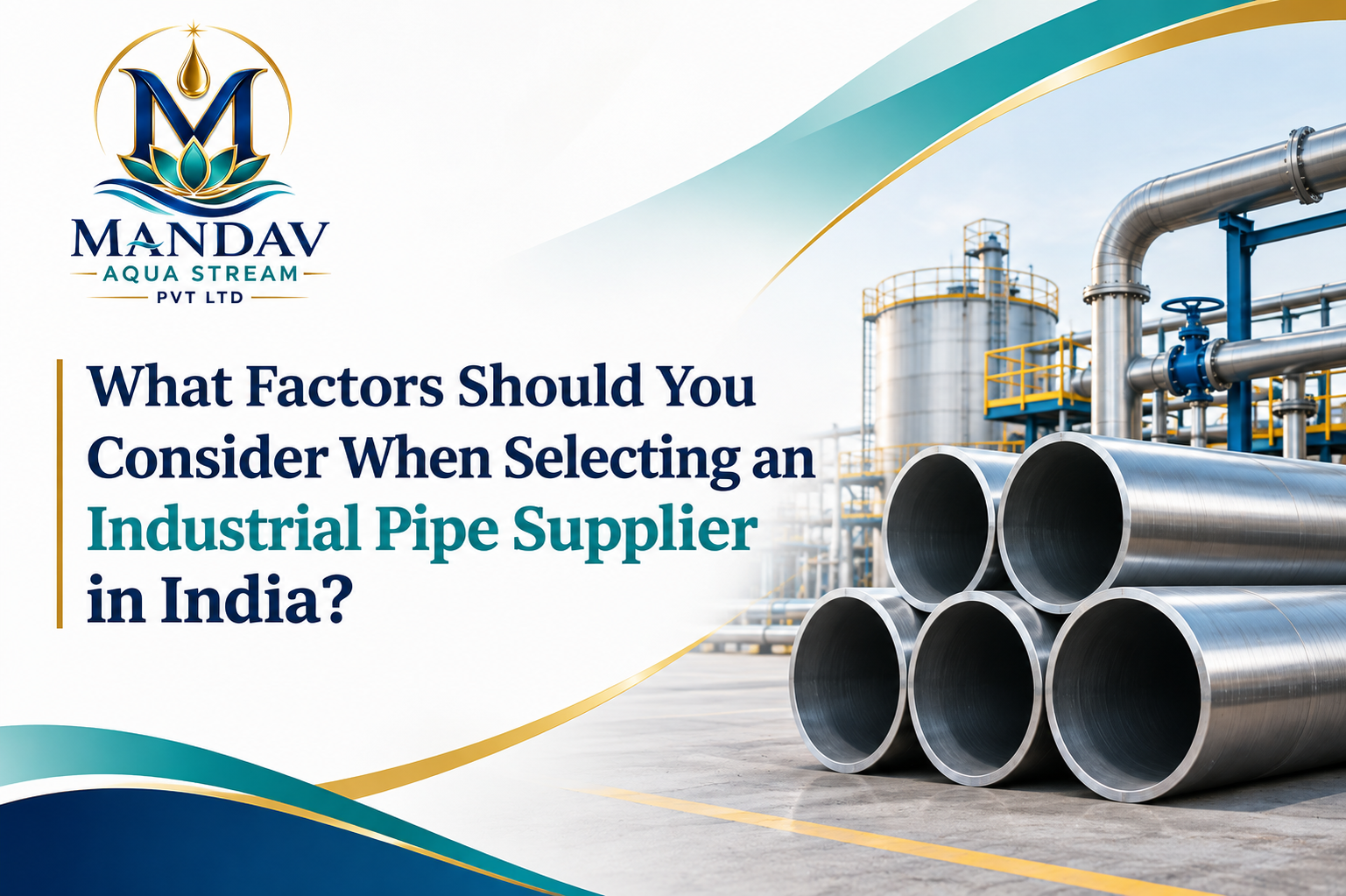
Working with an experienced Industrial Pipe Supplier in India can help businesses maintain product consistency, simplify procurement, and select piping materials that support long-term project performance.
What Are the Different Types of Industrial Pipes Available in India?
Before selecting a supplier, businesses should understand the different types of pipes available in the market. Each material has specific characteristics and applications, making it important to select products according to project requirements.
Ductile Iron Pipes
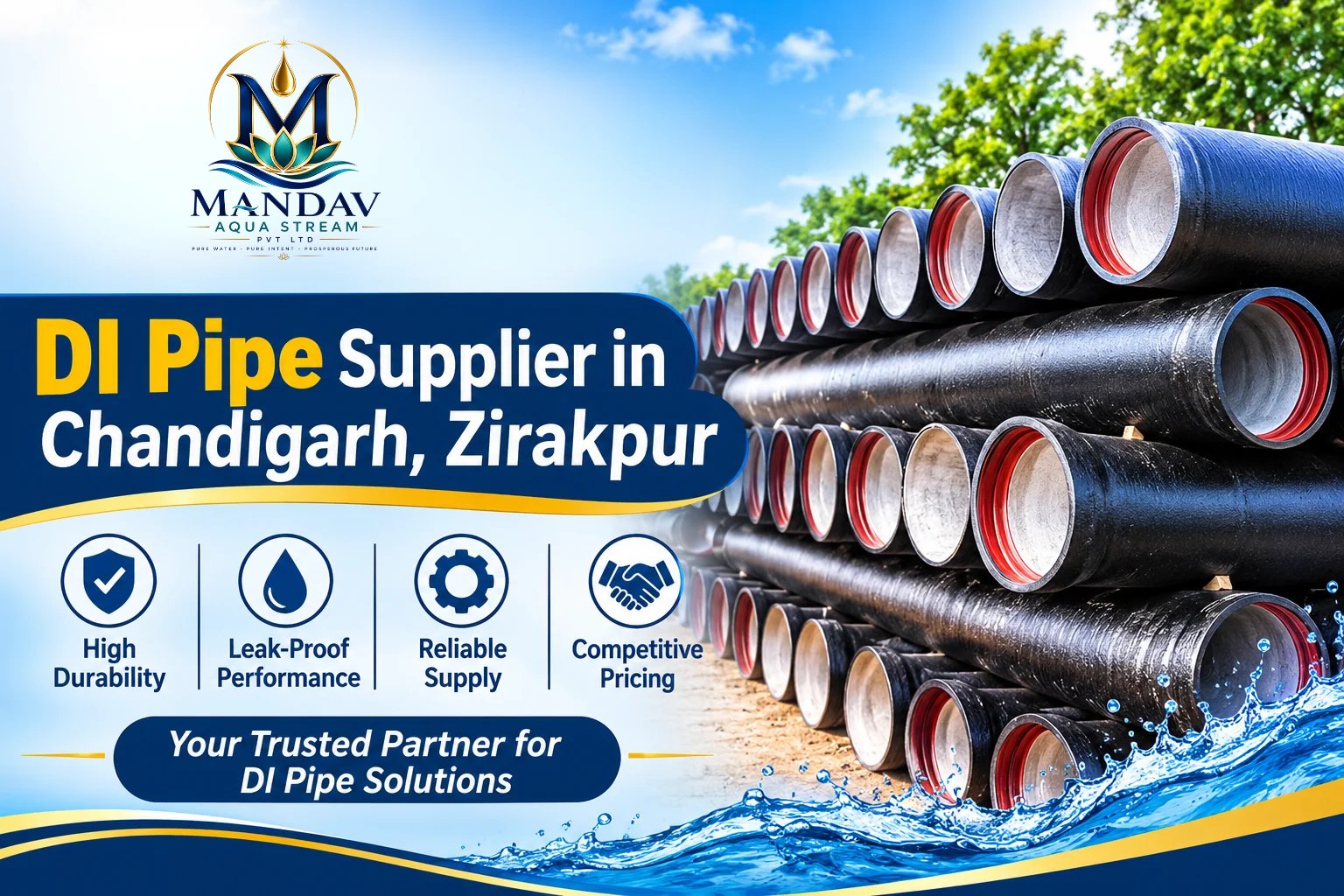
Ductile Iron Pipes are widely used in water distribution networks, municipal infrastructure, and industrial water supply systems. They offer good mechanical strength, durability, and resistance to impact.
These pipes are manufactured according to specific technical requirements and are commonly associated with IS 8329. They are suitable for applications where strength and reliable performance are important considerations.
Cast Iron Pipes
Cast Iron Pipes are used in drainage, sewage, soil, and certain water transportation applications. They are valued for their structural strength and suitability for different infrastructure requirements.
Depending on the product category, Cast Iron Spun Pipes are covered under IS 1536, while other cast iron pipe products may follow different specifications.
Galvanized Iron Pipes
Galvanized Iron Pipes are steel pipes coated with zinc to provide protection against corrosion. They are used in selected water supply, plumbing, and utility applications.
Buyers should check the applicable manufacturing specifications, coating quality, and dimensions before purchasing these pipes.
Mild Steel Pipes
Mild Steel Pipes are commonly used in industrial facilities, structural applications, and infrastructure projects. Their strength and fabrication flexibility make them suitable for different engineering requirements.
They are available in different sizes, thicknesses, and specifications depending on the intended application.
HDPE Pipes
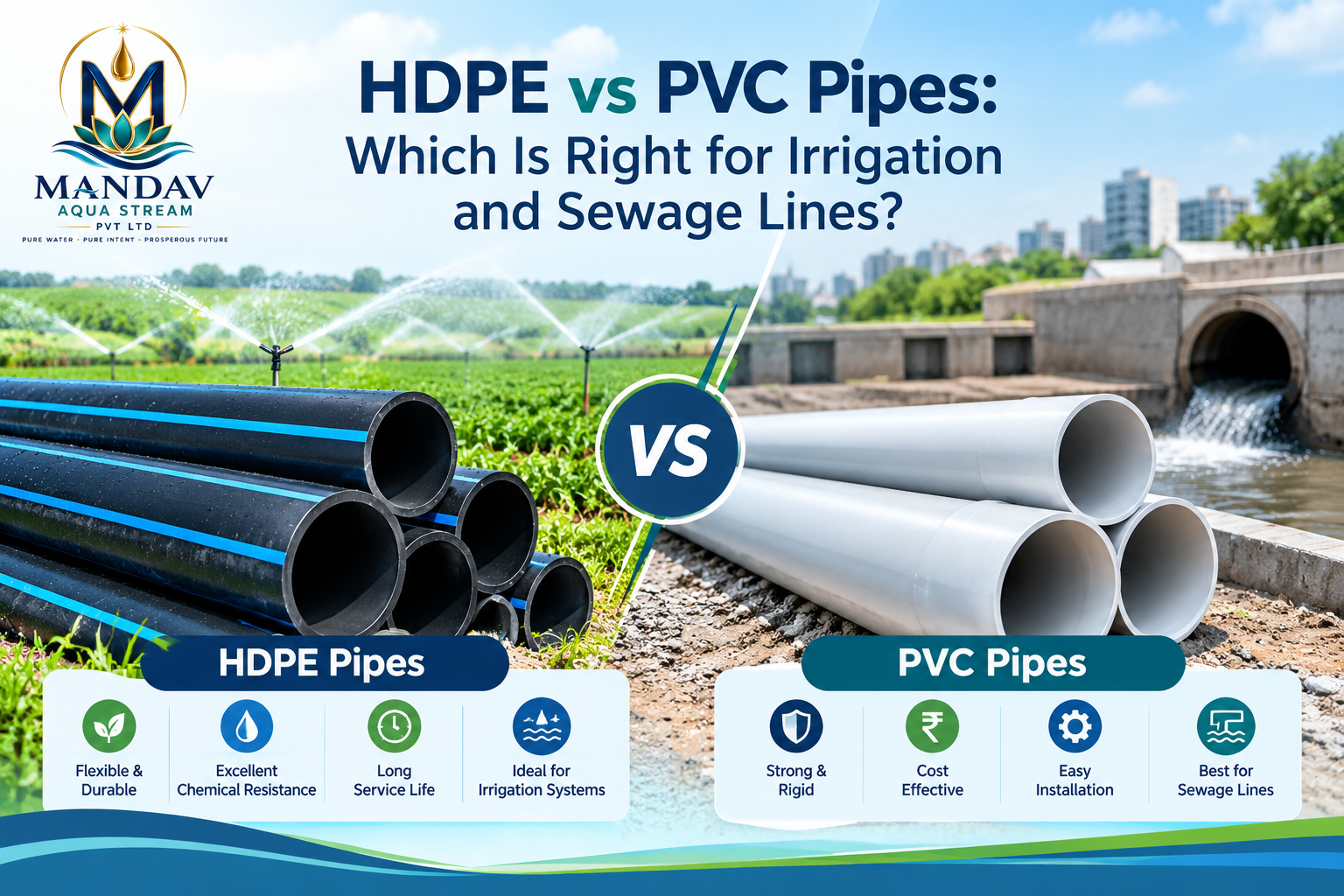
High-Density Polyethylene Pipes are known for their flexibility, lightweight construction, and resistance to corrosion. They are widely used in water supply, irrigation, and certain industrial pipeline applications.
Their flexibility can also make installation convenient in projects involving different ground conditions and pipeline layouts.
PVC Pipes
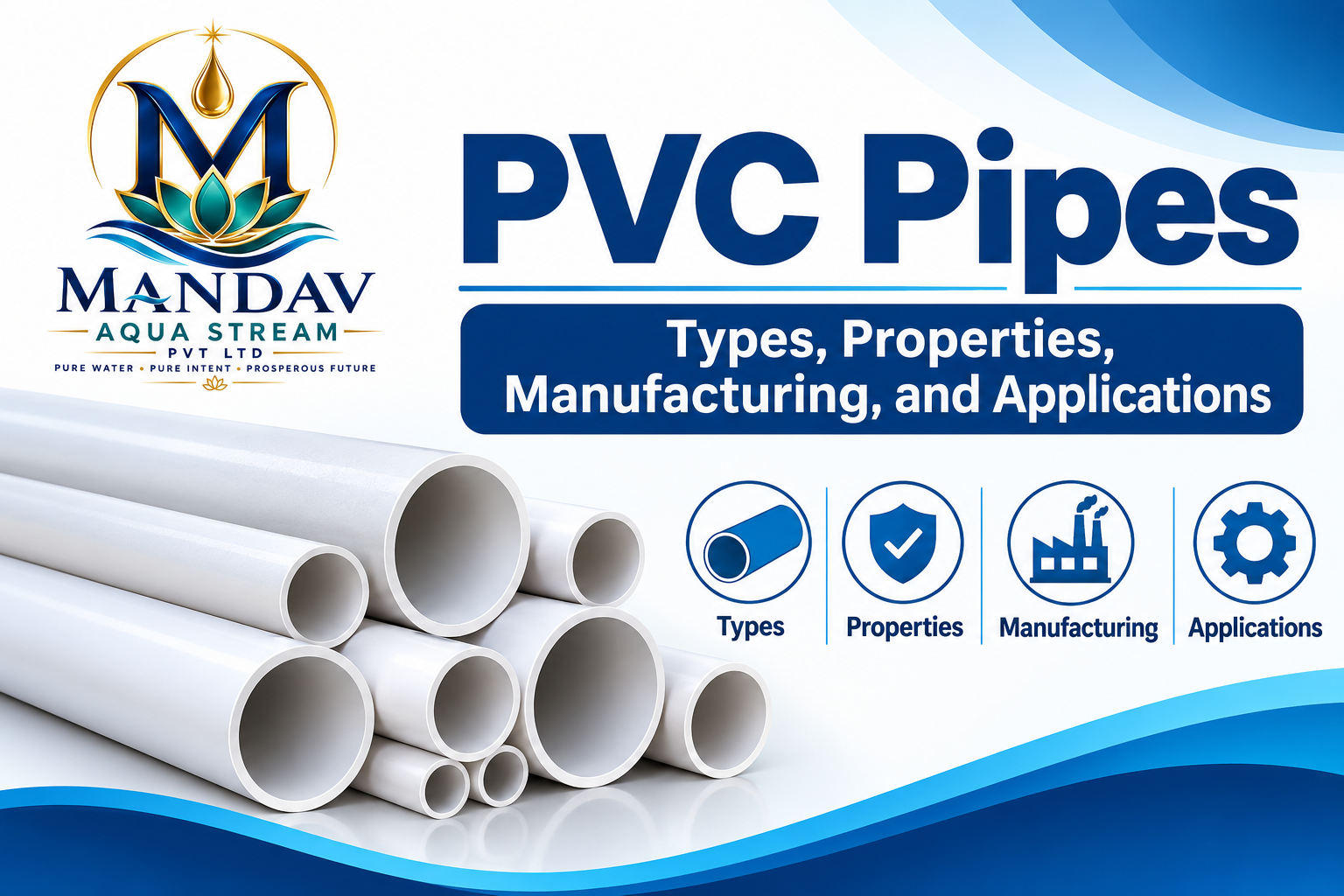
PVC Pipes are used in water distribution, drainage, and several plumbing applications. They are lightweight, easy to handle, and resistant to many common forms of chemical corrosion.
The correct grade and specification should always be selected according to the intended use.
What Factors Should You Check Before Selecting an Industrial Pipe Supplier?
Choosing a supplier requires more than comparing product prices. Businesses should evaluate several important factors to understand whether a supplier can meet their project requirements.
Product Quality and Manufacturing Standards
Product quality should be one of the first things buyers evaluate. Industrial pipes must meet the required technical specifications to perform properly under their intended operating conditions.
Before purchasing, businesses should check material composition, pipe dimensions, wall thickness, manufacturing standards, and available quality documentation.
For example, Ductile Iron Pipes are commonly manufactured according to IS 8329, while Cast Iron Spun Pipes are associated with IS 1536. Buyers should verify the relevant standard for each specific product rather than assuming that every pipe category follows the same requirements.
Choosing products that meet the required specifications helps businesses maintain quality and reduce the possibility of material-related issues.
Availability of Different Pipe Categories
Every industrial project has different requirements. Some projects may require Ductile Iron Pipes, while others may need Mild Steel, HDPE, PVC, or Galvanized Iron Pipes.
A supplier offering a wider product range can make procurement easier by allowing buyers to explore different materials and specifications from one source.
This is particularly useful for contractors and infrastructure developers handling multiple projects or purchasing different pipe categories in bulk.
Experience and Industry Knowledge
Supplier experience is another important consideration. Industrial piping requirements can involve technical specifications, material compatibility, installation conditions, and application-related challenges.
An experienced supplier should understand these requirements and provide clear product information to help customers make informed decisions.
Businesses can evaluate a supplier’s background by reviewing its product portfolio, industry presence, customer feedback, and knowledge of different piping applications.
Competitive Pricing and Transparent Quotations
Pricing plays an important role in industrial procurement, particularly when businesses purchase large quantities of pipes and fittings.
However, the lowest quotation should not automatically determine the final decision. Buyers should compare products based on their material, specifications, dimensions, quality, and applicable standards.
A transparent quotation should clearly mention product details, quantities, applicable taxes, transportation charges, and other relevant costs.
Comparing the overall value rather than just the initial price can help businesses make more economical purchasing decisions.
Timely Delivery and Product Availability
Industrial and infrastructure projects often operate according to fixed schedules. Delays in material supply can affect installation work, labour planning, and overall project completion.
Before finalising a supplier, buyers should confirm stock availability, expected dispatch dates, transportation arrangements, and delivery timelines.
For bulk orders, it is also important to understand whether the supplier can coordinate the required quantities and product specifications according to the project’s schedule.
Customer Support and Technical Assistance
Good communication makes industrial procurement easier. Buyers may need clarification about product specifications, dimensions, material selection, or compatible fittings before placing an order.
A dependable supplier should provide accurate product information and respond to customer enquiries professionally.
Technical assistance is particularly valuable when businesses are comparing different materials or selecting products for specialised industrial applications.
Why Are Industrial Pipe Fittings Equally Important?
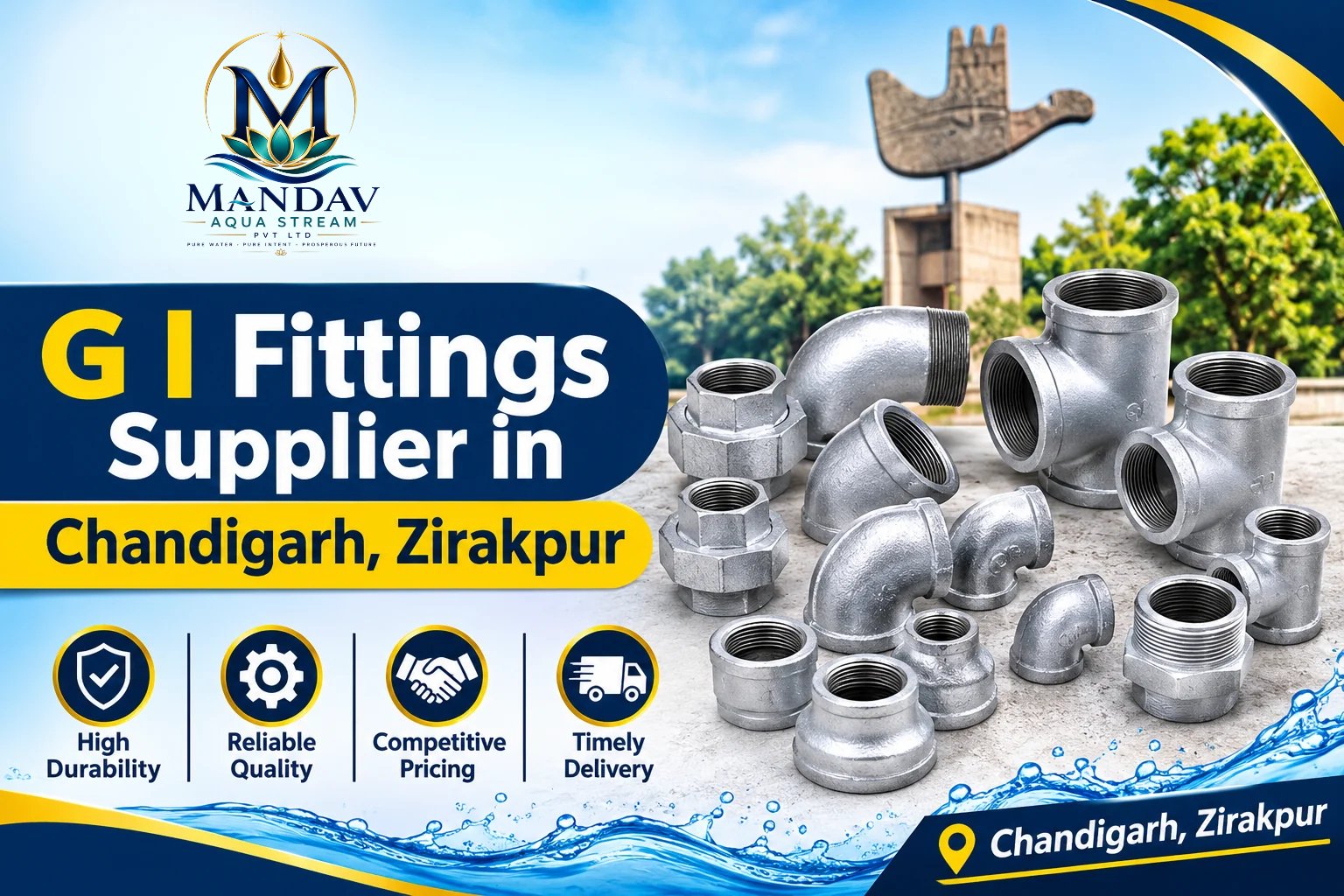
A complete piping system requires more than pipes. Fittings are essential components that help connect different pipeline sections, change flow direction, create branch connections, and adapt pipelines to different dimensions.
Common industrial pipe fittings include bends, tees, reducers, flanges, couplings, and other specialised components.
Selecting compatible fittings is important because differences in dimensions, connection types, or material specifications can create installation difficulties and affect the performance of the overall system.
Businesses searching for an Industrial Pipe Fittings Supplier in India should evaluate product quality, dimensional accuracy, material compatibility, and the availability of required fittings.
Choosing a supplier that can provide both pipes and suitable fittings can also simplify procurement and coordination for large-scale projects.
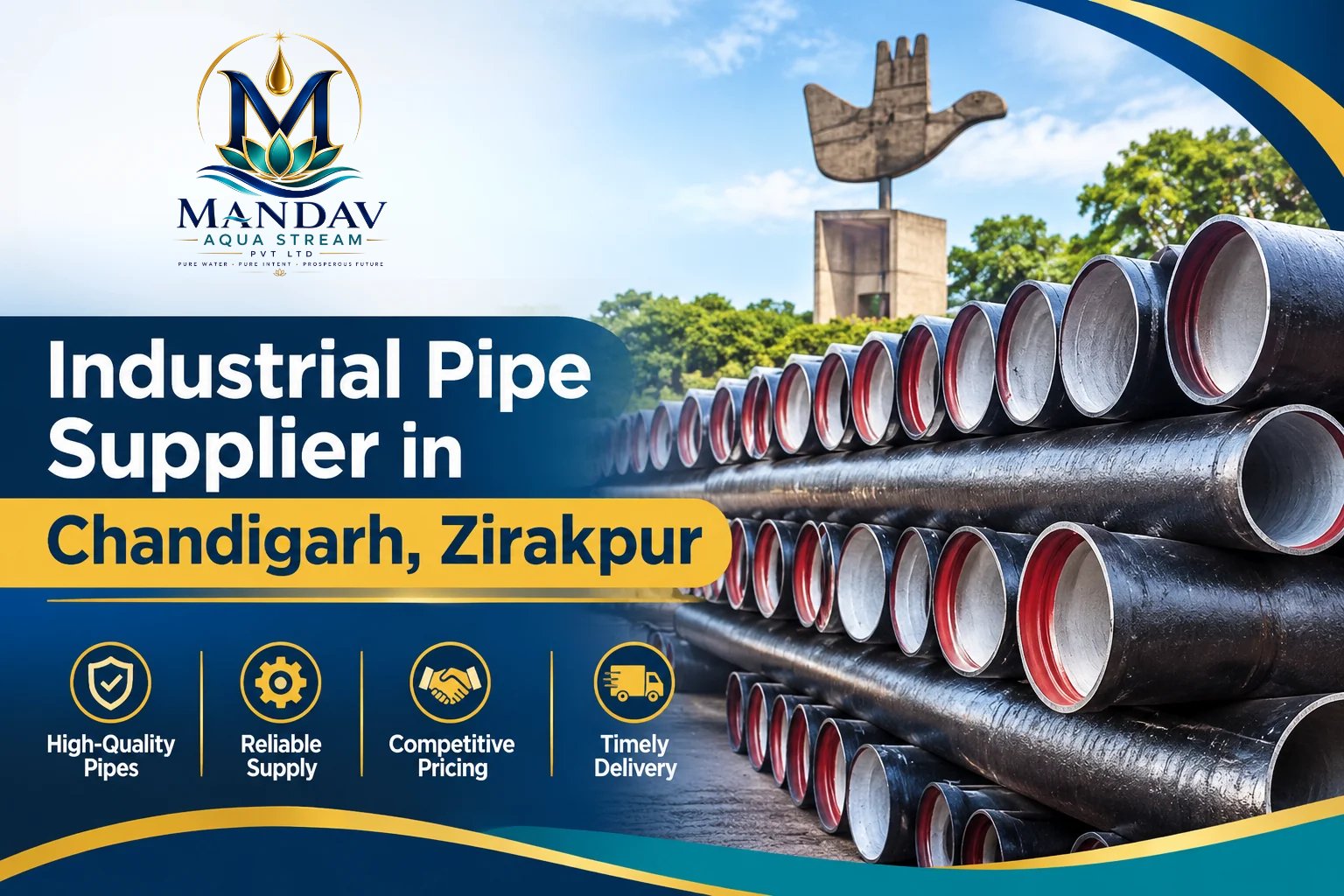
Why Should You Choose an Industrial Pipe Supplier in Chandigarh and Zirakpur?
Location is another factor businesses should consider when purchasing industrial piping products. Companies operating in Chandigarh, Zirakpur, Mohali, Panchkula, and surrounding industrial areas may prefer suppliers located closer to their project or business operations.
Working with a nearby supplier can make product enquiries, communication, transportation planning, and delivery coordination more convenient.
However, location alone should not determine the purchasing decision. Businesses should also evaluate product quality, available categories, pricing, technical information, and supply capabilities.
When looking for an Industrial Pipe Supplier in Chandigarh, Zirakpur, buyers should compare suppliers based on their ability to fulfil project requirements and provide suitable piping materials.
A supplier with an appropriate product portfolio and reliable communication can help businesses manage their procurement activities more efficiently.
What Are the Benefits of Working with a Reliable Industrial Pipe Supplier?
Developing a relationship with a dependable supplier can offer several advantages for businesses involved in industrial and infrastructure projects.
Consistent Product Quality
A supplier who provides products with clearly defined specifications and relevant quality documentation helps buyers maintain consistency across their projects.
Convenient Procurement
Access to multiple pipe categories and compatible fittings can reduce the effort involved in coordinating with several different suppliers.
Better Project Planning
Clear information about product availability, pricing, and delivery schedules helps businesses plan their purchasing activities more effectively.
Reduced Maintenance Concerns
Selecting pipes that are appropriate for the application and meet required specifications can help reduce the likelihood of material-related failures and unnecessary maintenance.
Long-Term Business Relationships
Reliable communication, transparent quotations, and consistent service help build stronger relationships between suppliers and industrial buyers.
Why Consider Mandav Aqua Stream Pvt Ltd for Industrial Piping Requirements?
Selecting suitable piping materials is essential for maintaining the performance and reliability of industrial and infrastructure projects. Mandav Aqua Stream Pvt Ltd offers a range of piping products for customers looking for solutions across different industrial, water supply, sewage, irrigation, and infrastructure applications.
The company’s product portfolio includes Ductile Iron Spun Pipes, Cast Iron Spun Pipes, Galvanized Iron Pipes, HDPE Pipes, PVC Pipes, C.I. Flanged Pipes, D.I. Flanged Pipes, Mild Steel Pipes, and C.I. Soil Pipes and Fittings.
These products serve different requirements depending on their material properties, technical specifications, and intended applications.
Businesses looking for an Industrial Pipe Supplier in India can explore the available product categories and discuss their requirements before selecting suitable materials for their projects.
Mandav Aqua Stream Pvt Ltd also provides access to different industrial piping and fittings categories, helping buyers explore relevant products for their procurement needs.
How to Make the Right Industrial Pipe Purchasing Decision?
Before placing an industrial pipe order, businesses should clearly identify their project requirements. This includes understanding the application, material preference, pipe dimensions, operating conditions, and required quantity.
It is equally important to check the supplier’s product specifications and confirm whether the selected materials meet the applicable industry standards.
Buyers should also compare quotations, delivery arrangements, transportation costs, and available technical support.
For projects requiring multiple pipe categories, checking the availability of compatible fittings can make procurement more convenient.
Taking time to evaluate these factors helps businesses select suitable products and develop a more organised purchasing process.
Conclusion
Selecting the right industrial pipe supplier is an important step in ensuring the quality, reliability, and long-term performance of piping systems. Businesses should evaluate product quality, applicable standards, material options, supplier experience, pricing, delivery capabilities, and customer support before making a final decision.
Understanding the differences between Ductile Iron, Cast Iron, Mild Steel, HDPE, PVC, and Galvanized Iron Pipes can also help buyers identify products that match their project requirements.
For businesses exploring dependable Industrial pipeline solutions, Mandav Aqua Stream Pvt Ltd offers a range of industrial and infrastructure-related piping products to consider.
By comparing product specifications and choosing a supplier that understands industrial requirements, businesses can make informed procurement decisions and support the successful execution of their projects.
